Planning a summer getaway should be exciting, not stressful. But while you're focused on booking flights, packing bags, and planning activities, fraudsters may be looking for opportunities to target travelers who are away from their normal routines.
Before reviewing the checklist below, it's important to understand some of the most common scams that target travelers:
- Fake Hotel or Booking Confirmations - Fraudsters may send emails or text messages claiming there's a problem with your reservation and ask you to click on a link or provide payment information.
- QR Code Scams - Fake QR codes posted in public places may direct you to fraudulent websites designed to steal login credentials or payment information.
- Public Wi-Fi Attacks - Cybercriminals can exploit unsecured public Wi-Fi networks to intercept sensitive information if you're accessing financial accounts.
- Travel Payment Scams - Scammers may pose as airlines, hotels, rental agencies, or travel companies and request payment through unusual methods or urgent messages.
- Account Takeover Attempts - Fraudsters may use phishing emails, fake login pages, or stolen credentials to gain access to online banking and other financial accounts.
Whether you're traveling across the country or overseas, knowing what to look for can help you recognize suspicious activity before it becomes a problem. Taking a few simple precautions can help protect your bank accounts, debit cards, and personal information.
Use this travel fraud prevention checklist before and during your trip to help keep your finances secure.
1. Avoid Public Wi-Fi for Online Banking
Public Wi-Fi networks at airports, hotels, coffee shops, and other locations can be convenient, but they're not always secure. Avoid accessing online banking or other financial accounts when connected to open networks.
When possible, use your mobile network or a trusted, secure connection to access sensitive information.
2. Set Up Account Alerts Before You Leave
Account alerts can help you stay informed of important account activity while you're away. Choose the alerts that matter most to you and select how you'd like to receive them.
Setting up alerts is quick and easy and can provide added peace of mind while traveling.
Learn more about Account Alerts.
3. Monitor Your Accounts Regularly
Even while on vacation, it's a good idea to review your accounts periodically. Checking your account activity can help you identify unauthorized transactions or suspicious activity early.
If you notice anything unusual, contact Firstrust immediately.
4. Enroll In Trusted Devices and Passkeys
Strong passwords are important, but modern security tools provide additional protection.
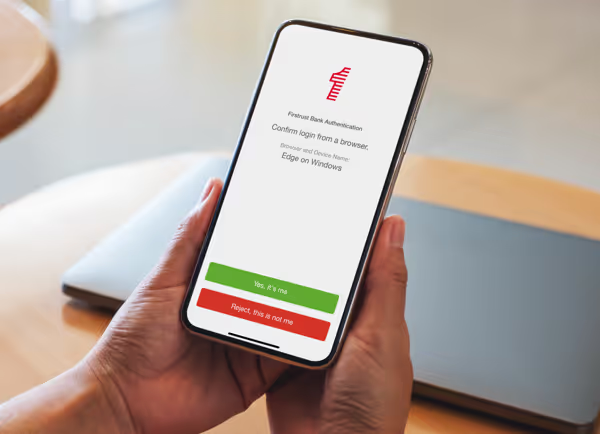
Firstrust online banking offers Trusted Mobile Devices and Passkeys, which are phishing-resistant authentication methods tied directly to your personal device. Unlike one time verification codes sent by text or email, passkeys help protect against common online scams and account takeover attempts. Using these tools can make it easier and more secure to access your accounts while traveling.
Learn more about Trusted Devices and Passkeys in our blog.
5. Use Debit Card Management and Control Tools
Before your trip, review the card controls features available through online banking.
With Card Management and Controls, you can freeze or unfreeze your debit card, set travel notices, manage spending alerts, and report your card lost or stolen anytime, anywhere. These tools can help reduce the risk of fraud and give you greater control while traveling.
Learn more about Card Management here.
6. Be Cautious with QR Codes and Links
Fraudsters increasingly use fake QR codes and phishing links to steal personal and financial information.
Only scan QR codes and click links from trusted sources. If something seems suspicious, verify the website or contact the business directly before providing information.
7. Secure Your Mobile Device
Your phone and tablet often contain access links to banking apps, email accounts, and sensitive personal information.
Use strong passcodes, biometric authentication, and automatic screen-lock settings to help prevent unauthorized access if a device is lost or stolen while traveling.
8. Beware of Common Travel Scams
Travelers may encounter scams involving fake hotel websites, fraudulent booking confirmations, unexpected payment requests, or impersonation attempts.
Stay alert, verify requests before sharing personal information, and avoid sending money or account details to unknown individuals.
Enjoy Your Vacation with Greater Peace of Mind
A little preparation can go a long way toward helping prevent fraud while traveling. By setting up account alerts, monitoring your accounts, securing your devices, and taking advantage of Firstrust's online banking security features, you can focus on enjoying your trip while staying connected to your finances.